Guide · 6 min read
How to Write AI Portrait Prompts That Feel Photographed
A practical framework for controlling light, lens, texture, expression, and art direction without stuffing a prompt with empty adjectives.
Published August 4, 2026 · Updated August 10, 2026
01
Start with a clear subject
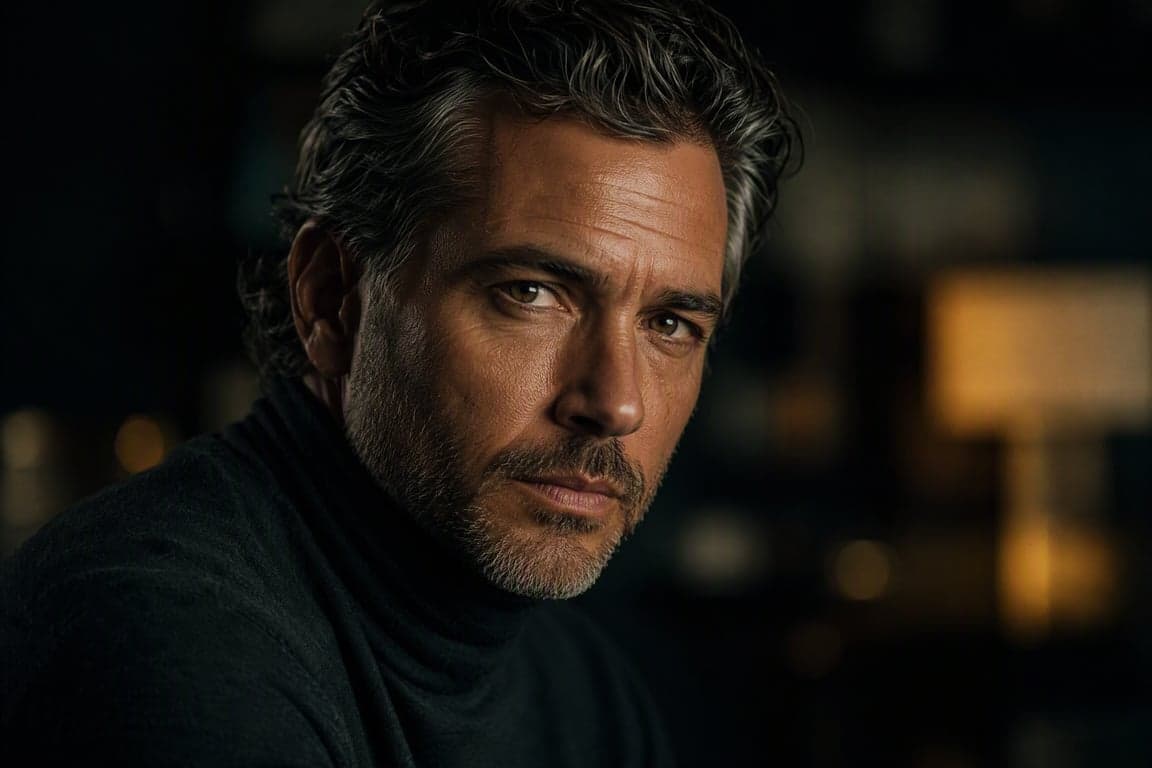
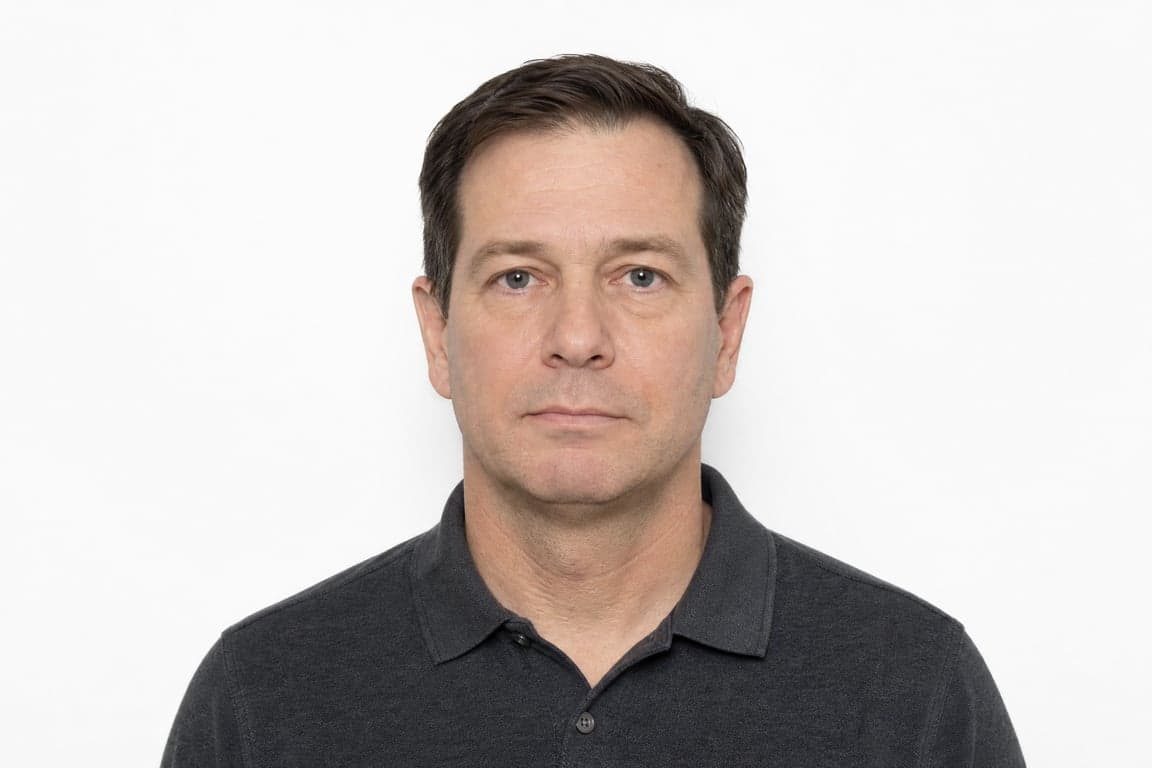
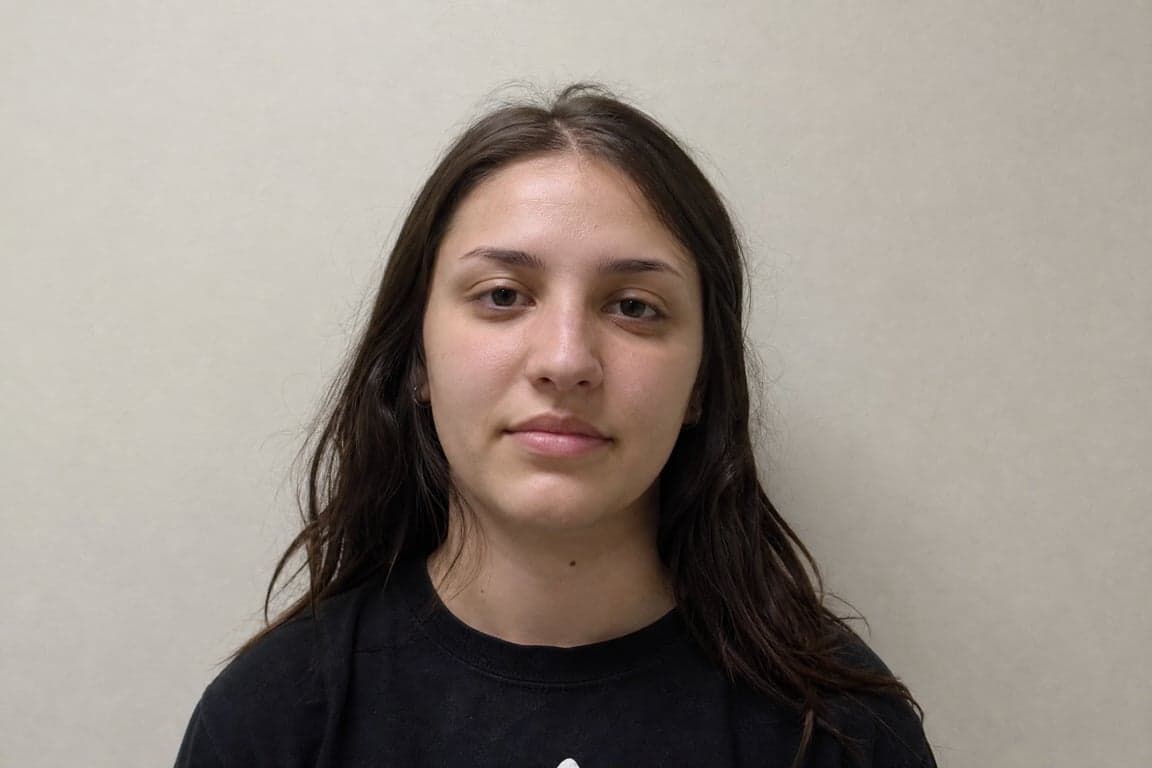
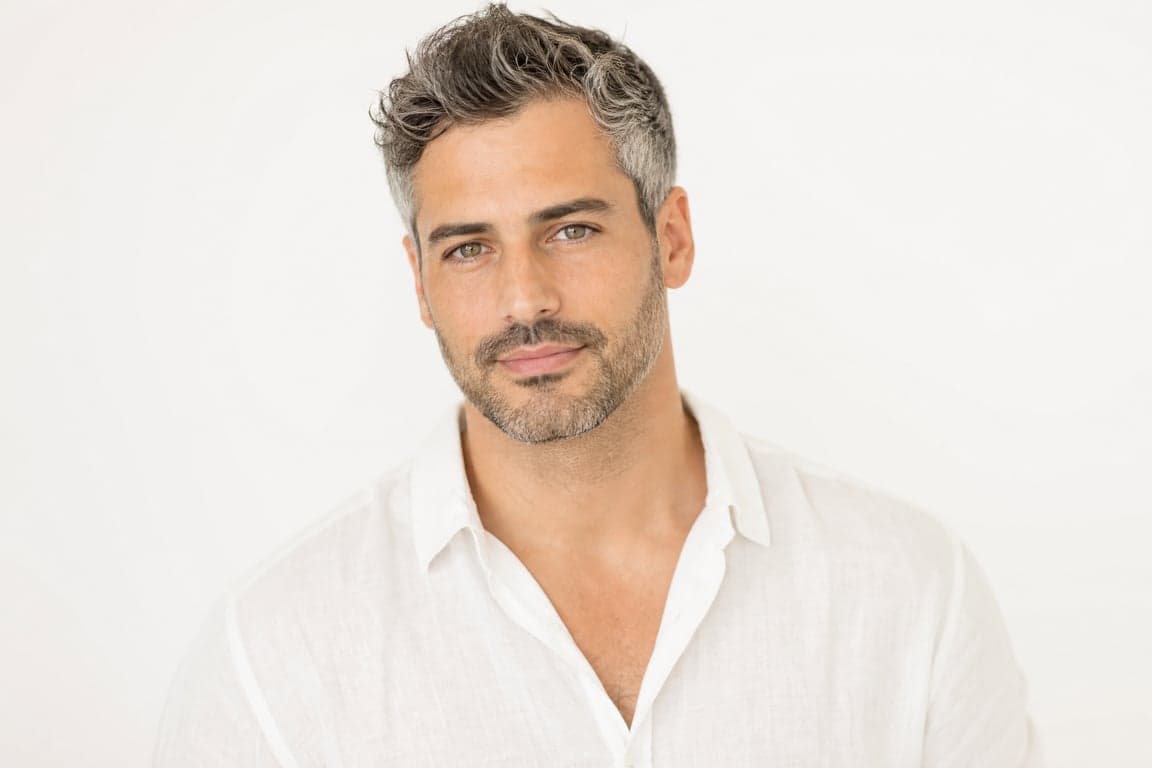
Define the person, wardrobe, expression, and framing before adding style. Concrete visual direction gives the model a stable scene to build from.
02
Describe light as a system
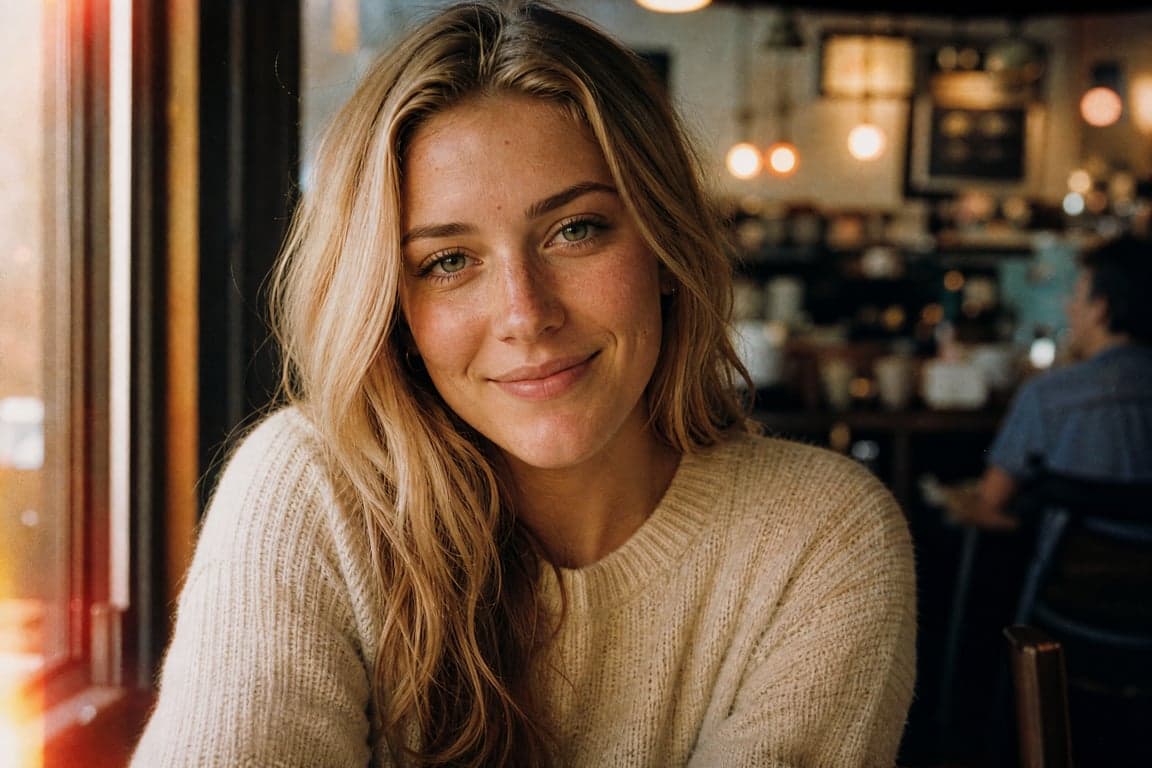
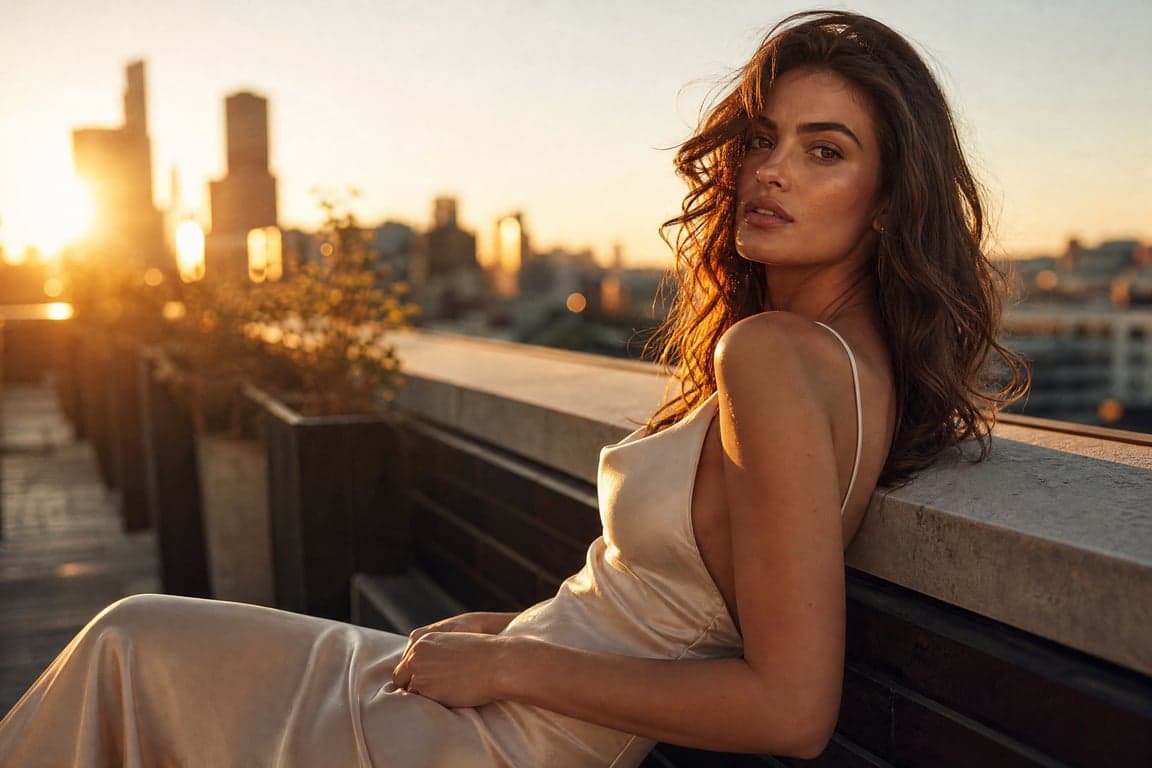
Name the direction, softness, color, and relationship between key and fill light. Terms such as warm window light from camera left are more useful than cinematic lighting alone.
03
Use camera language with intent
Lens and aperture cues can influence framing and depth. Choose one coherent setup, then use texture and color grading to finish the look.