Guide · 8 min read
Flux Portrait Prompts: 12 Copy-Paste Prompts for Realistic AI Portraits
Flux portrait prompts you can copy and paste — 12 tested recipes for realistic faces, keep your identity intact, and what Flux does differently from Midjourney.
Published October 12, 2026 · Updated October 12, 2026
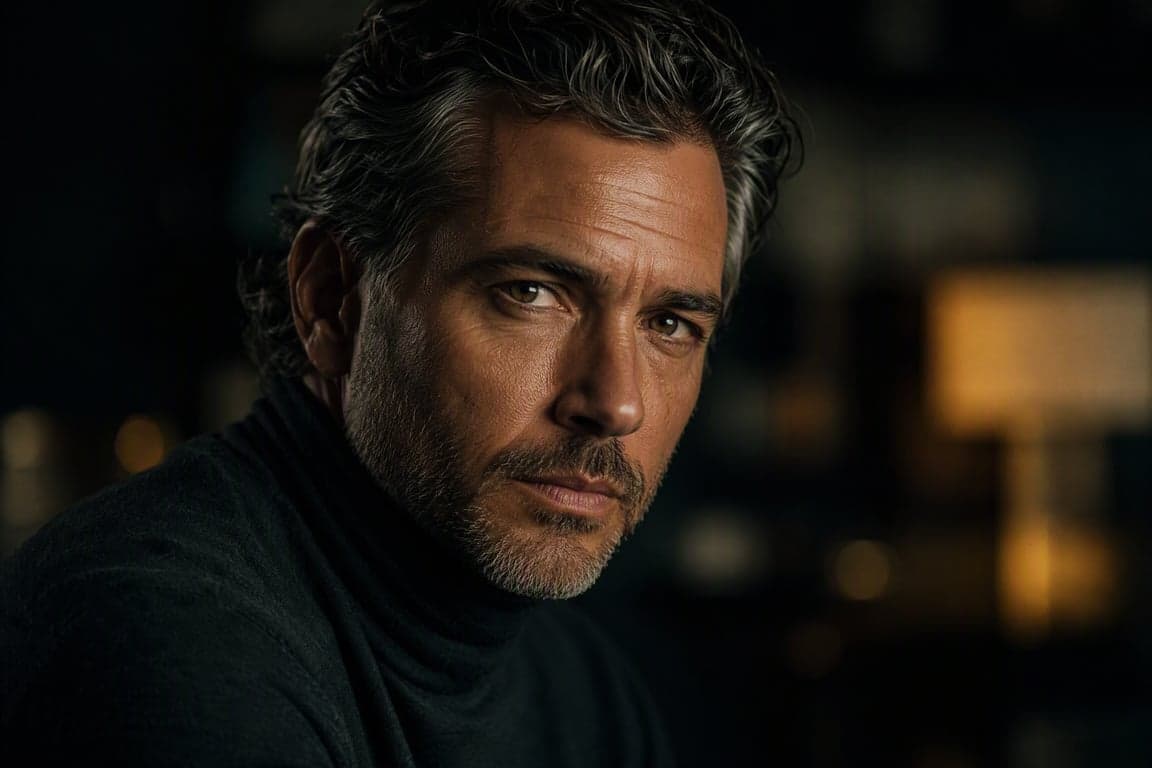
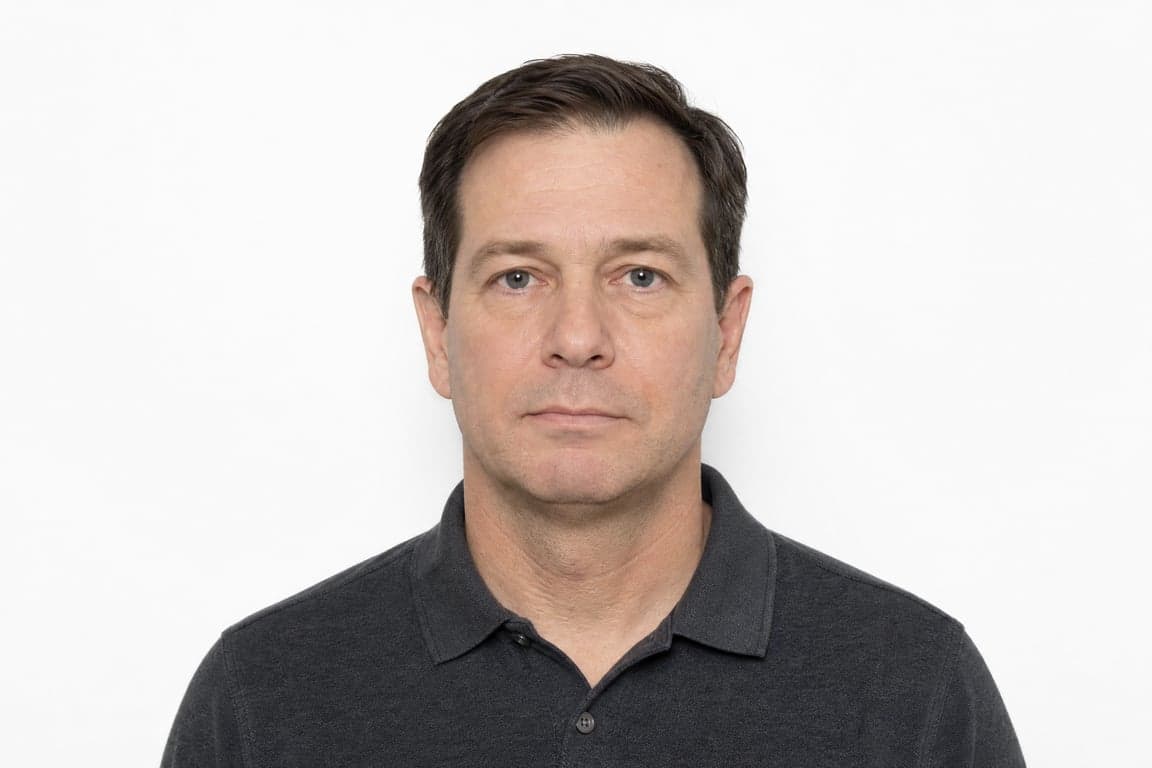
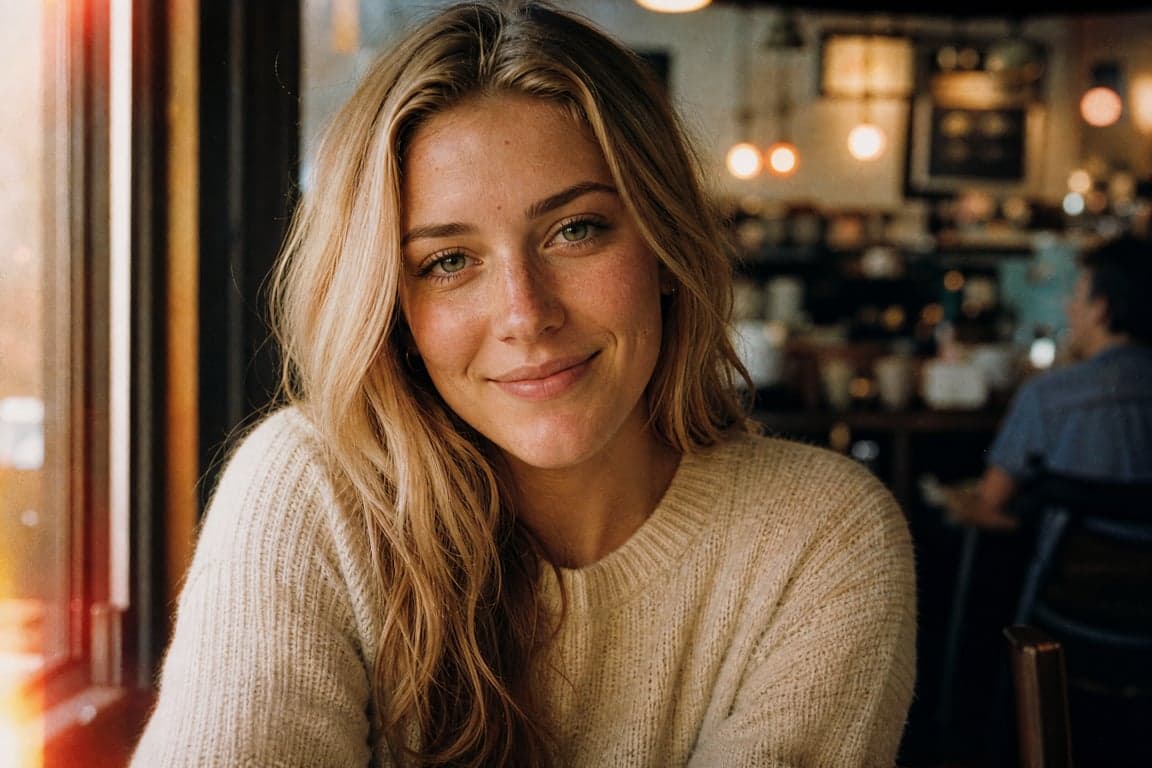
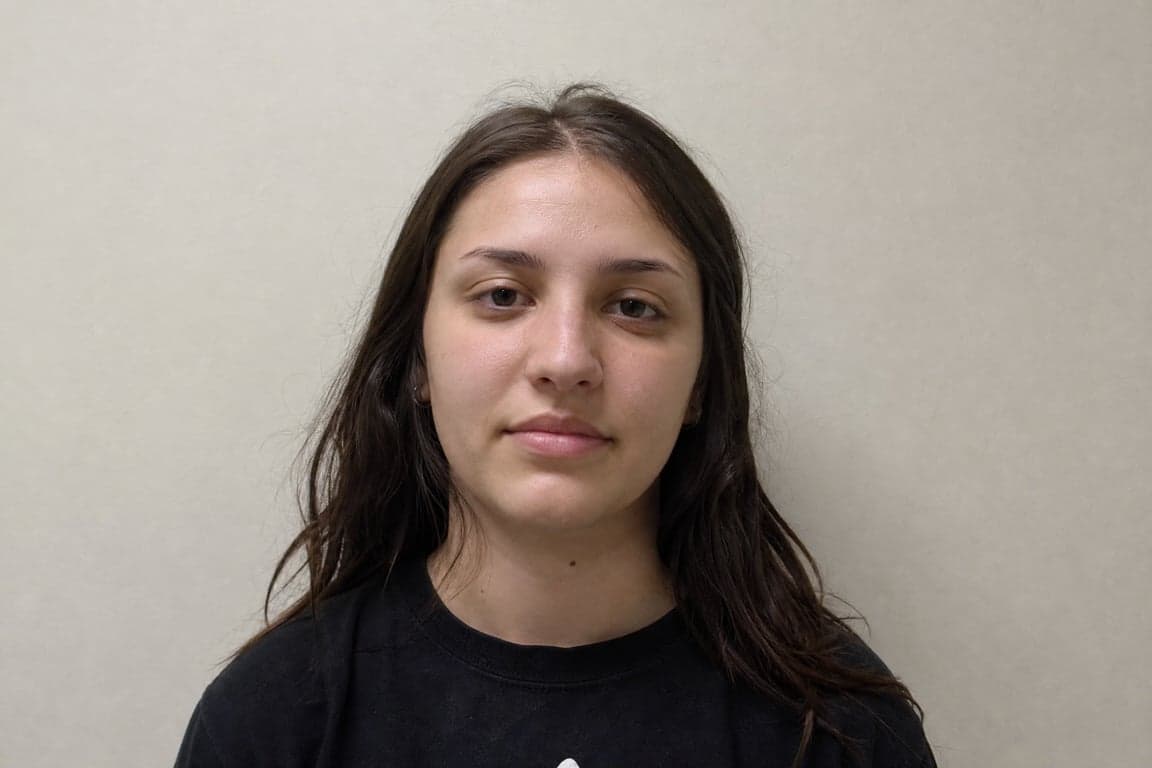
Flux, from Black Forest Labs, is the model people open when a portrait has to follow the brief. Ask for window light from camera left, a navy coat, and an 85mm crop, and those details tend to show up. Midjourney is more likely to restyle the same sentence into its own look.
This page is twelve copy-paste Flux portrait prompts, plus the two lines that keep a face from drifting. No parameter flags. Each recipe is one person, one light, one camera.
What are Flux portrait prompts?
A Flux portrait prompt is a plain description of a photograph. Flux reads it more literally than Midjourney. Midjourney often adds taste: smoother skin, a stronger grade, a pose you did not write. Flux is more likely to give you exactly what you wrote, including a flat background if you forgot to light it. You get control. You also have to direct the picture.
Do not paste Midjourney's --ar, --stylize, or --v tags into the text. Aspect ratio and which Flux variant you are running live in the app or API. A stray flag is ignored, or it gets painted into the frame as junk lettering.
Name one real light source and stop. "Window at camera left" works. "Cinematic lighting, dramatic lighting, studio lighting" makes Flux try to honor all three, and the face goes muddy. These recipes use the same camera language as the cinematic portrait prompts on this site. The wording is shorter, and the identity lines stay in if you attached a reference photo.
12 copy-paste Flux portrait prompts
Paste one block. Attach a sharp, front-facing photo if the host allows it. Text alone casts a new person.
1. North-window headshot
Photorealistic head-and-shoulders portrait, eye-level. Soft daylight from a
large window at camera left, no other light. Neutral gray wall, slightly
soft. Charcoal knit sweater, calm expression, eyes to lens. Natural skin
texture, no retouching. Keep facial structure and natural skin tone
unchanged. 85mm, f/2.8. A real photograph.
This is the control shot. If the face is wrong here, a busier scene will not fix it.
2. Rembrandt close-up
Close portrait, head and shoulders. One hard key from camera right at about
45 degrees, a small light triangle on the shadow cheek. Dark mottled
backdrop. Black collar, serious expression, eyes to camera. Visible skin
and fine hair. Keep facial structure and natural skin tone unchanged.
85mm, f/1.8. Photographed, not illustrated.
Same idea as the ultra-realistic cinematic portrait recipe: one side of the face carries the light. Do not add a second color grade.
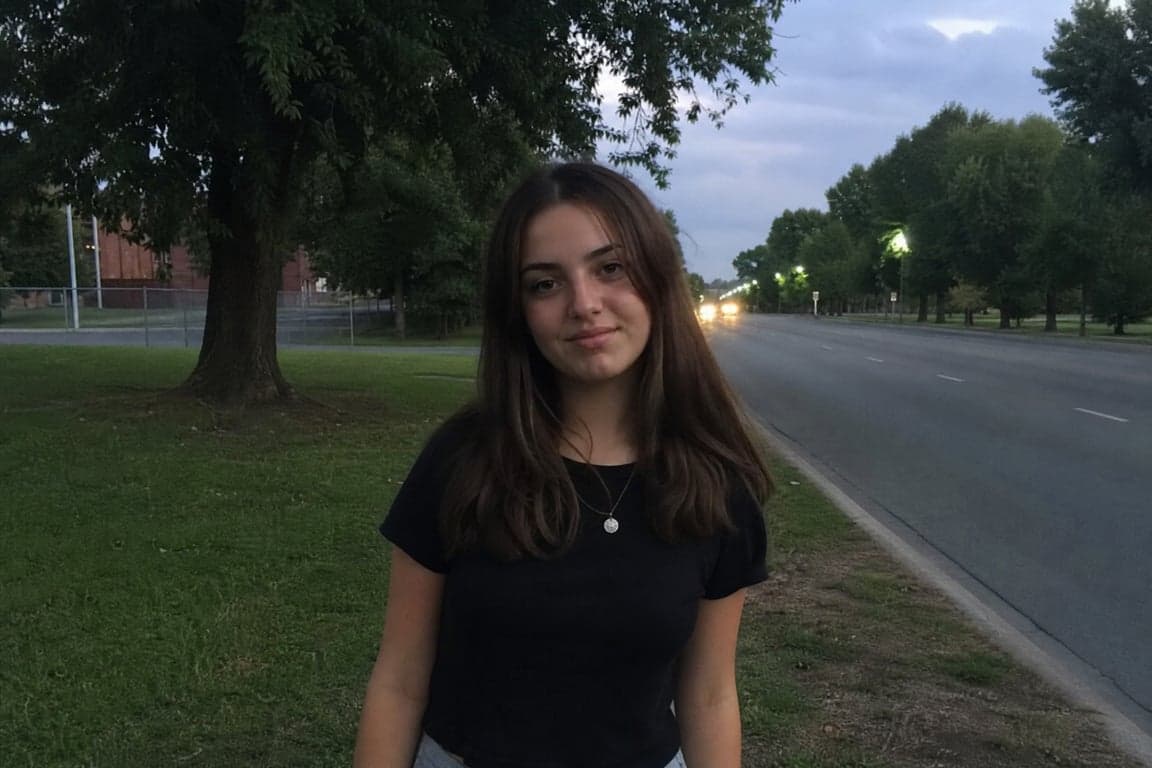
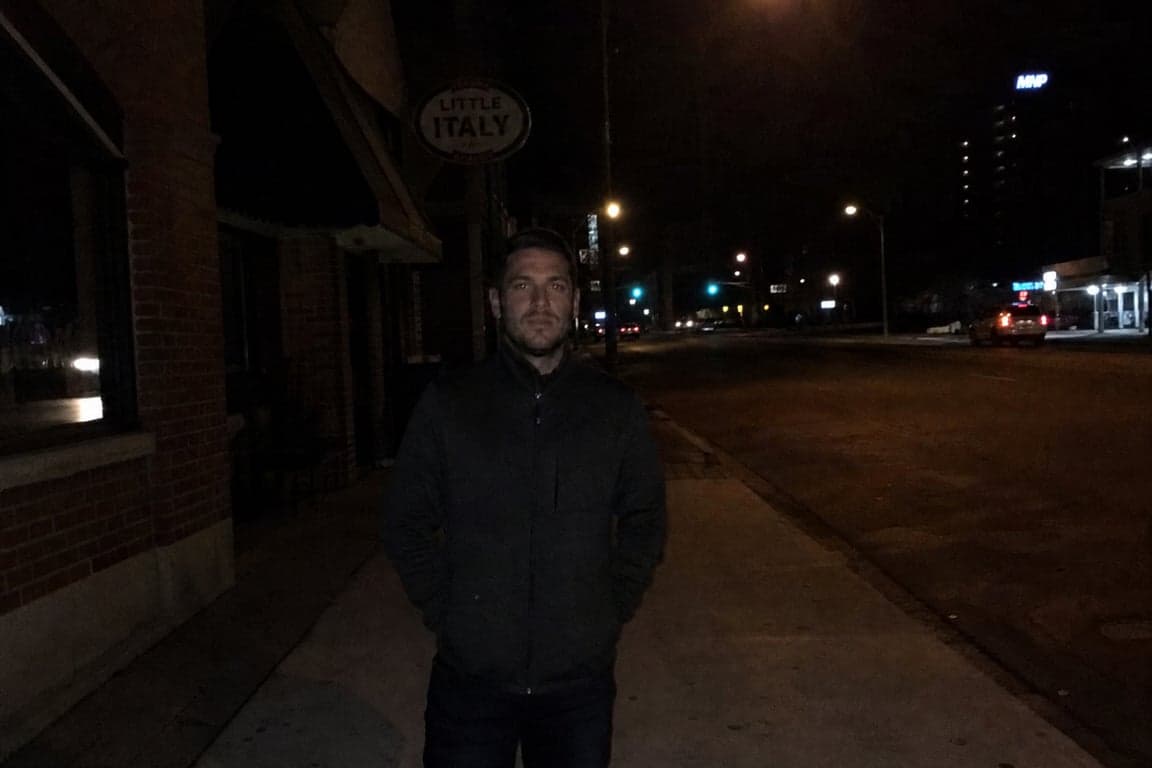
3. 35mm street, overcast
Waist-up portrait on a sidewalk under overcast daylight. Soft, directionless
light, no sun shafts. Worn denim jacket, white t-shirt, mid-stride, glance
just past camera. Storefronts soft but recognizable. Fine 35mm grain, muted
color, no smoothing. Keep facial structure and natural skin tone unchanged.
35mm, f/2.8. A candid photograph.
The 35mm film grain portrait recipe treats grain the same way: name the film, then leave the face alone.
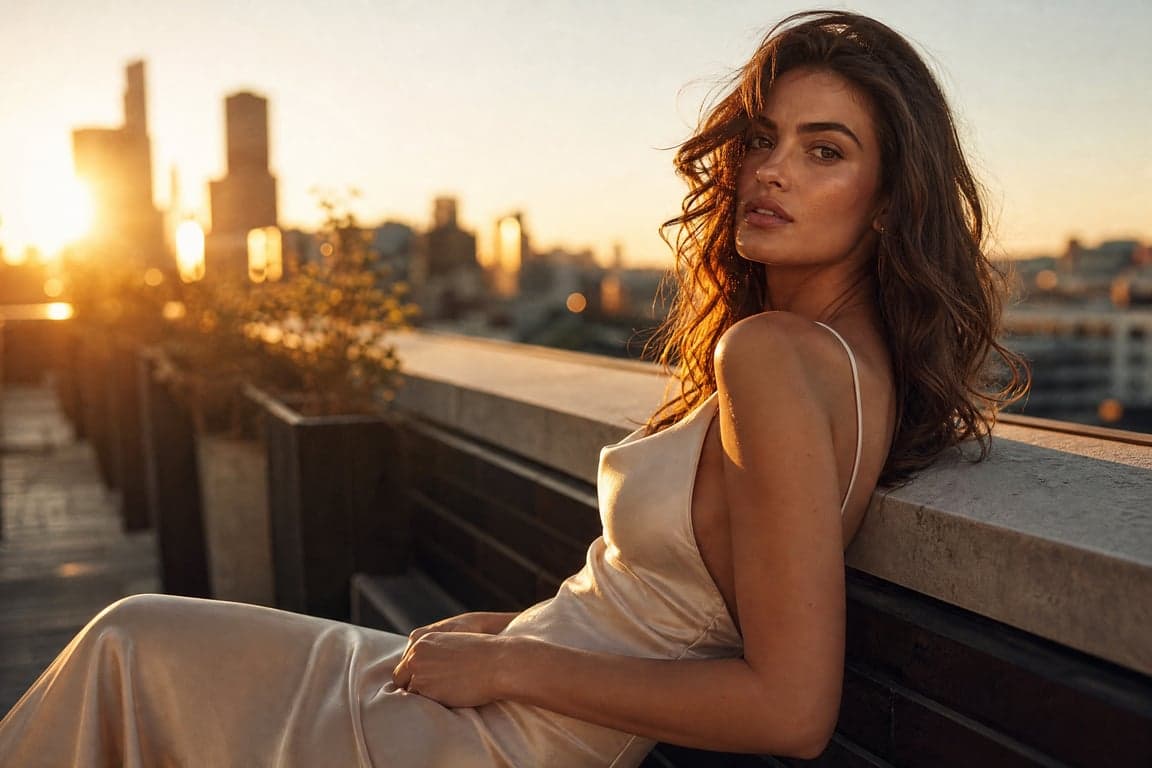
4. Late sun, three-quarter
Outdoor portrait an hour before sunset. Warm sun from behind and to the
side, a thin rim on the hair only, face still readable. Light linen shirt,
three-quarter turn, relaxed mouth. Dry grass, low horizon, background
soft. Keep facial structure and natural skin tone unchanged. Do not bronze
the skin. 85mm, f/2. A location photograph.
Keep the warmth in the hair, not the skin. The golden hour editorial portrait is the longer version of this light.
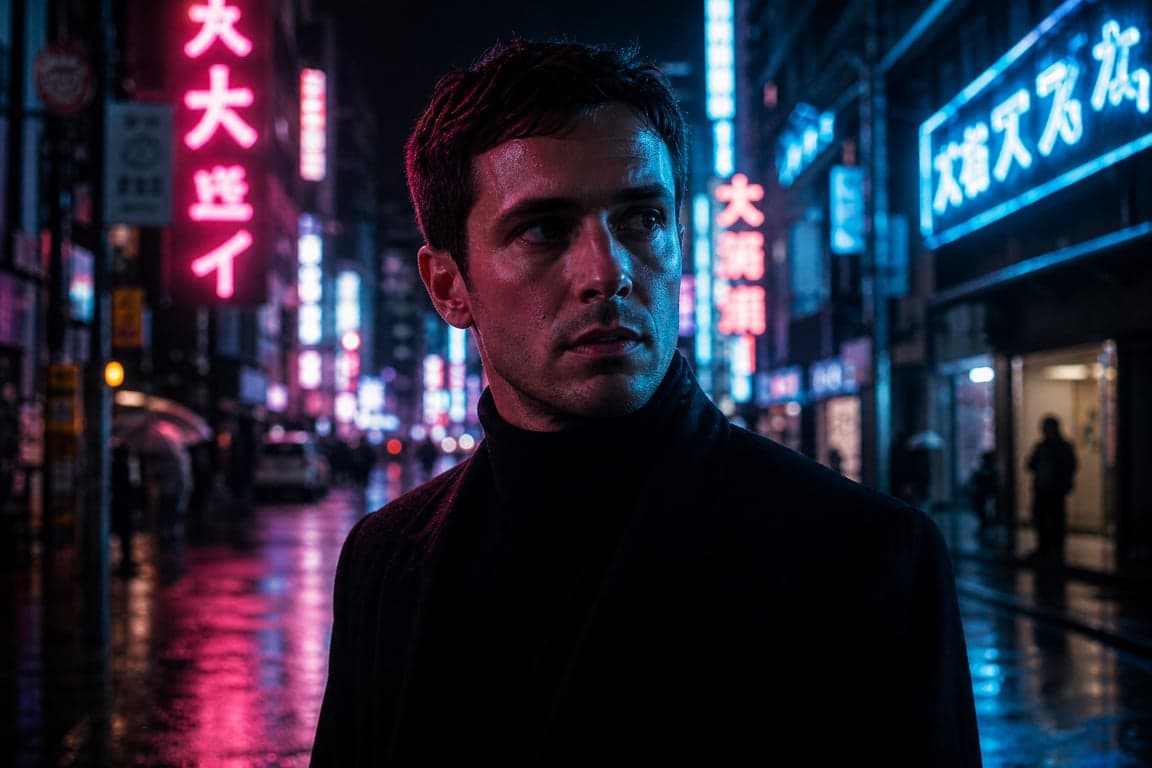
5. Neon doorway
Night portrait in a doorway. One neon sign off camera right, magenta on
one cheek only. The rest of the face lit by a dim warm bulb overhead. Wet
pavement, dark street, no extra colored lights. Black coat, still pose,
eyes to camera. Keep facial structure and natural skin tone unchanged.
50mm, f/2. A nighttime photograph.
One practical, one side of the face. The neon city night portrait shows the point where signage starts to drown the person.
6. Kitchen morning
Seated at a wooden kitchen table, morning. Window behind the camera, soft
frontal daylight, white walls. Both hands around a ceramic cup, five
fingers each, handle toward camera left. Gray t-shirt, slight smile.
Cabinets soft. Keep facial structure and natural skin tone unchanged.
50mm, f/2.8. An ordinary photograph.
If the fingers fail, delete the cup. Do not add "perfect hands."
7. Gray seamless
Studio headshot on light gray seamless paper. Large soft source from
camera left, faint fill from the right, no rim, no gel. Navy shirt,
shoulders square, neutral expression, eyes to lens. Natural skin, flyaway
hairs left in. Keep facial structure and natural skin tone unchanged.
85mm, f/4. A plain corporate photograph.
Use this when the picture has to survive a small circular crop.
8. Profile, one rim
Tight profile, subject facing camera left. A single rim from behind
camera left. The face is in open shadow with just enough light to read
the eye. Black background, hair separated from the backdrop. Keep facial
structure and natural skin tone unchanged. 85mm, f/2. No smoke.
Use this only after a front-facing reference has already worked.
9. Rain on the window
Indoor portrait beside a rain-streaked window. Cool daylight from camera
left, subject seated, face turned to the lens. No interior lamp. Dark
coat, drops on the glass, not on the skin. City blur outside. Keep facial
structure and natural skin tone unchanged. 50mm, f/2.
Say the water is on the glass. Otherwise the drops land on the cheeks and the reference stops matching.
10. Cafe booth
Dark cafe booth. One small warm lamp on the table at camera right, light
falling off across the face, background nearly black. Brown jacket, hands
around a glass, looking just off camera. No string lights, no second lamp.
Keep facial structure and natural skin tone unchanged. 35mm, f/2.
An available-light photograph.
If the shadow side goes black, raise the lamp in a follow-up. Do not add a flash in the same prompt.
11. Office glass
Standing by an office glass wall, late afternoon. Sun from camera left
through the window, city soft behind the glass. Waist-up, one hand in a
pocket. Light blue shirt, no tie, no logo. Face is the sharpest thing in
the frame. Keep facial structure and natural skin tone unchanged. 35mm,
f/2.8.
The pocket hides one hand. Check the visible one at full size.
12. Open shade
Outdoor portrait in open shade, hard sun on the street behind. Face lit
only by the shade, even and cool, background brighter. White t-shirt,
dark trousers, standing still, eyes to camera. No reflector, no fill
flash. Keep facial structure and natural skin tone unchanged. 85mm, f/2.8.
"Bright sunlight on the face" means squint and hot highlights. Pick shade or sun, not both.
How to keep your face looking like you
Two sentences do the work. Paste both whenever you are editing from a photo of yourself.
Keep the structure. "Keep my facial structure unchanged: eye shape, nose, jawline, and the spacing between features. Do not swap in a different face." "Looks like me" is too soft. Name the parts that must not move.
Keep the color. "Keep my natural skin tone unchanged. Do not lighten, darken, bronze, smooth, or recolor the skin." A portrait can match your bone structure and still miss you, because the skin moved toward a default complexion.
Use them together. Structure without color gives you your face in someone else's tone. Color without structure gives you your complexion on a generic head. With no reference photo attached, these lines do not retrieve you. They only constrain a face the model can already see.
Use a sharp, front-facing photo with both eyes visible. Change the coat or the room, not the face. If it drifts, reply with the two lines and one correction.
Flux-specific tips
- One light, named. Conflicting sources get rendered because Flux tries to obey the whole sentence.
- No Midjourney flags. Set frame size in the interface. If you must mention shape, write "vertical frame," not
--ar. - Drop the quality pile. "Masterpiece, 8k, ultra-detailed" mostly buys plastic skin. Ask for pores and a real lens.
- Reference, or it is a new person. A text prompt cannot stand in for a photo of you.
- Check glasses, earrings, and hands at full size before you judge the grade.
- Change one variable. Lock the face lines and the light. Then change only the coat, or only the room.
FAQ
Is Flux better than Midjourney for realistic portraits?
For a literal photograph, often yes. Flux follows the camera, wardrobe, and light you wrote. Midjourney is more likely to apply its own style. Use Flux when the sentence itself has to survive.
Can a Flux prompt keep my exact face?
Only if the tool is looking at a picture of you. The two lock lines hold a reference in place. They do not identify you from a text description. No reference means a new face.
Should I name a Flux version inside the prompt?
No. Choose the variant in the app or API. The prompt should describe the photograph. Version names inside the text do not make the face more real, and they sometimes show up as stray letters.
Back to all guides